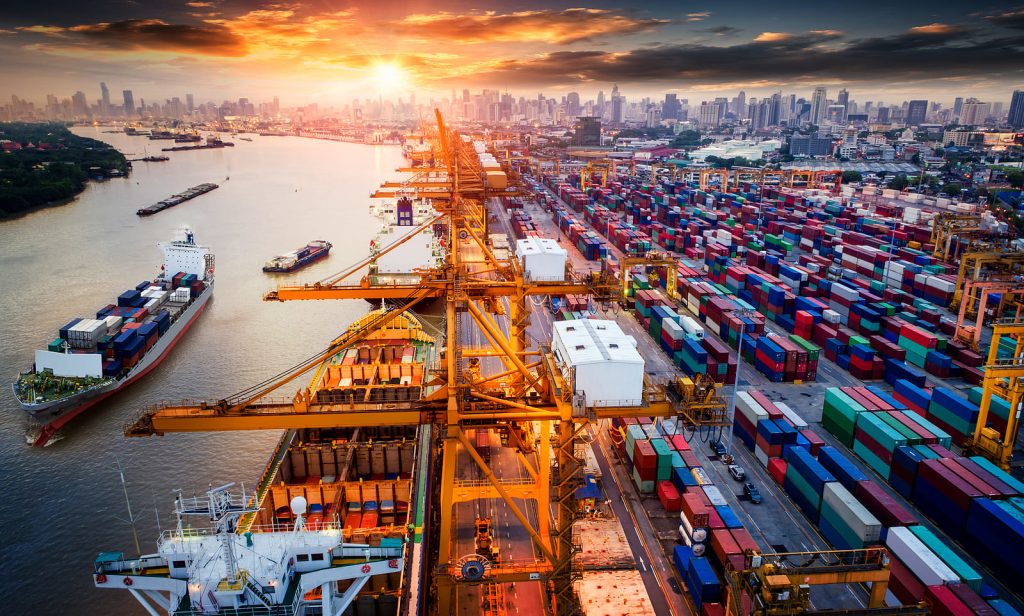
Singapore sits at one of the busiest maritime crossroads in the world. In 2025 alone, the port recorded 3.22 billion gross tonnes of vessel arrivals and 44.66 million TEUs of container throughput; figures that underscore just how much depends on every vessel operating safely and reliably. With hundreds of ships passing through daily, the stakes for getting safety equipment right could not be higher.
Yet despite all this activity, choosing the right marine safety equipment supplier remains one of the most underestimated decisions a fleet operator, ship manager, or procurement team can make. Buy from the wrong supplier and you may find yourself dealing with false alarms that disrupt operations, equipment that fails inspection, or, in the worst case, systems that let you down when it truly matters. This guide walks you through exactly what to look for, so you can make a confident, informed choice.
Why Marine Safety in Singapore Demands a Higher Standard
The sheer scale of maritime traffic passing through the Strait of Malacca means that vessels managed from Singapore, Greece, the Netherlands, or Turkey are under continuous regulatory scrutiny. The Maritime and Port Authority of Singapore (MPA) enforces compliance with both local requirements and international conventions set by the International Maritime Organization (IMO), including the Safety of Life at Sea (SOLAS), which is the global benchmark for vessel safety systems.
For ship owners and fleet managers, the cost of non-compliance is not just a fine. It is an unscheduled port detention, a failed audit, or a delayed voyage. A fire suppression system that has not been properly maintained or certified can render a vessel unseaworthy. A smoke detector that triggers false alarms repeatedly creates operational chaos and, perversely, leads crews to become desensitised to alerts, increasing genuine risk. Understanding what marine safety requires is, therefore, the first filter you should apply when evaluating any supplier.
What Certifications Should a Supplier Hold?
Certification is your assurance that the supplier’s products and processes have been independently verified. When evaluating a marine safety equipment supplier, look for the following:
- MPA approval – the MPA maintains strict oversight of safety-critical equipment supplied to vessels registered in Singapore or operating in its waters.
- Type approval from a recognised Classification Society – examples include Lloyd’s Register, Bureau Veritas, DNV, or American Bureau of Shipping. These bodies certify that equipment meets the performance standards required for marine environments.
- SOLAS compliance – particularly for fire detection, suppression, and alarm systems. This is non-negotiable for any vessel in international trade.
- ISO certification – ISO 9001 for quality management is a reliable indicator of consistent processes, while more specific ISO standards may apply depending on the product category.
Be cautious of suppliers who cannot produce up-to-date type approval certificates on request. Certifications expire and must be renewed; a supplier who is on top of this is one who takes compliance seriously.
Track Record and Industry Experience
In the marine sector, experience is evidence that a supplier understands the unique demands of operating equipment at sea, offshore, or in remote locations where a service engineer cannot simply turn up within the hour. Ask prospective suppliers about their history with vessel types similar to yours: bulk carriers, tankers, offshore support vessels, and LNG carriers each have distinct fire and safety profiles.
A supplier’s track record should also extend to after-sales support. Equipment failures at sea or on offshore platforms are expensive not just because of the repair cost, but because of the downtime, the risk to crew, and the regulatory implications. Look for suppliers who can demonstrate rapid response times, carry spare parts in stock, and have service engineers who are genuinely available, not just listed on a website. In environments where the stakes are highest, the right fire detection technology on offshore platforms can mean the difference between a contained incident and a catastrophic one, which is why supplier expertise and ongoing support matter just as much as the equipment itself.
Key Questions to Ask Any Supplier
Here are the practical questions that will quickly separate serious, capable suppliers from those who are simply selling equipment they do not fully understand:
- Which classification societies have type-approved your products for marine use?
- Do you carry stock of critical spare parts in Singapore, or are they shipped from overseas?
- What is your typical response time for a service call on a vessel in the port of Singapore?
- Can you provide references from ship management companies or fleet operators we can contact?
- How do you handle equipment recalls or technical bulletins from manufacturers?
- Are your service engineers trained and certified to work on the specific systems you supply?
The answers will tell you a great deal. A supplier who hesitates on spare parts availability or cannot name a single reference customer is one worth approaching cautiously.
The Hidden Cost of Getting It Wrong
False alarms are one of the maritime industry’s most underappreciated operational problems. When a fire detection system repeatedly triggers without cause, crews adapt by assuming the next alarm is also false. This is a phenomenon well-documented in safety literature. The fix often requires not just recalibrating a detector but understanding why it was specified incorrectly in the first place.
Equipment failure in remote offshore locations is even more costly. A gas detection system that goes offline on an offshore platform can trigger a full evacuation, halting operations that may cost tens of thousands of dollars per hour to run. If the supplier who sold you the system cannot dispatch a technician promptly and does not carry the right parts, that downtime stretches further.
This is why the conversation with a supplier should never begin and end with price. The cheapest option on day one can easily become the most expensive option over the life of the equipment.
Service Standards: What Good Looks Like
A high-quality marine safety equipment supplier does not disappear after the invoice is paid. Expect the following as standard, not as premium extras:
- Scheduled maintenance programmes aligned with your vessel’s survey calendar
- Documentation support for port state control inspections
- Clear escalation paths for technical issues, including after-hours emergency contacts
- Proactive communication when a product you have onboard is subject to a manufacturer update or recall
- Engineers who understand both the equipment and the regulatory environment in which it operates
Suppliers operating across Singapore, Malaysia, Indonesia, Greece, and Turkey should also be able to provide consistent support across these geographies, not just in their home port.
Ready to Work With a Marine Safety Equipment Supplier You Can Trust?
Choosing a marine safety equipment supplier is ultimately about trust: trust that the equipment will perform when it needs to, trust that the certifications are genuine, and trust that someone will be there to help when something goes wrong far from shore. The suppliers worth working with are those who can demonstrate all three without hesitation.
If you are looking for a partner who combines deep technical expertise, certified products, and responsive service, Atlas Technologies Corporation is ready to help. With a proven track record across fire detection, fire suppression, marine navigation, and safety signalling systems, Atlas Technologies Corporation works with vessel owners, ship managers, and operators to ensure their fleets meet the highest standards of safety and compliance. Get in touch with the team today to discuss your requirements.